Matching Street Bike Tires to How You Actually Ride
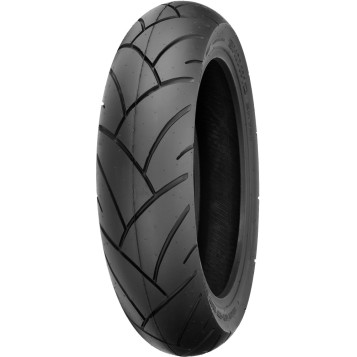
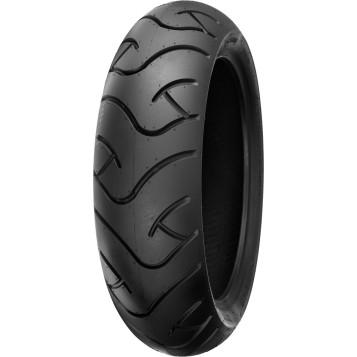
Street bike tires earn their keep by the kind of riding they spend most of their life doing, not by a single all-purpose rating. A tire built for sport riding on twisty backroads runs a softer tread rubber compound, trading tread life for outright grip, while a tire built for touring long distance or a daily street commute uses a harder compound that holds up through a season of highway miles.
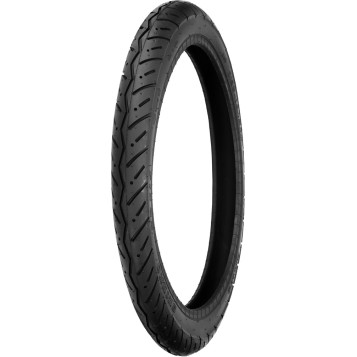
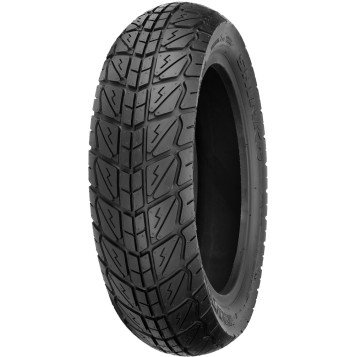
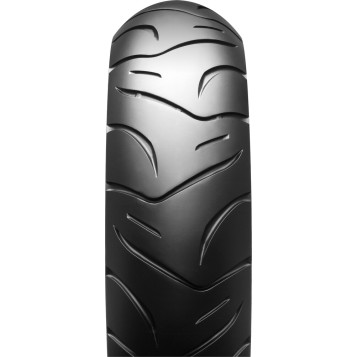
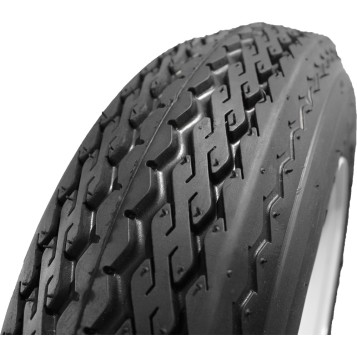
Wet pavement grip comes from the tread pattern doing real work, not from a label on the box. Directional tread design channels water away from the contact patch as the tire rolls, and siped tread blocks, the small slits cut into the rubber, flex open to bite into a damp road surface.
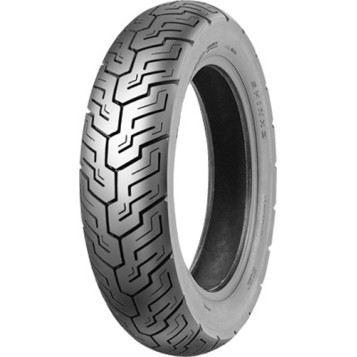
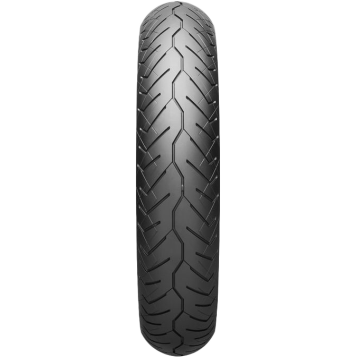
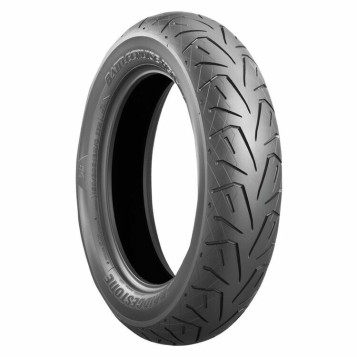
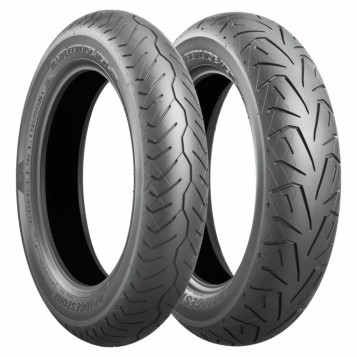
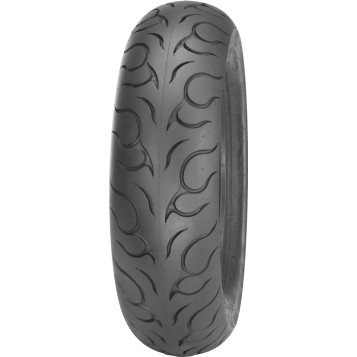
Cruiser and V-twin machines often ask for a different tire line than a sport or commuter street bike, since the weight, lean angle and riding style are not the same. Riders running a V-twin tend to shop a separate set of v-twin bike tires built around that heavier, lower-lean riding style instead.
Studded street tires belong on a winter or icy pavement setup, not as a general-purpose upgrade. No tread removes the risk of slick pavement, it only lowers it, and that holds true for studs as much as for any other tread.
What the Tread or Casing Needs to Do, by Riding Condition
| Riding Condition |
What the Tread or Casing Needs to Do |
| City stop-and-go traffic |
A smooth center tread rolls quiet and resists cupping from constant starts and stops, with a shoulder tread design helping at low-speed turns. |
| Highway cruising miles |
A multi-ply casing holds its shape at sustained speed, backed by a puncture-resistant layer against road debris over long stretches. |
| Twisty backroad sport riding |
A shoulder tread design keeps the contact patch solid at lean, with siped tread blocks adding bite in shaded or damp sections. |
| Wet pavement ride |
A street tread pattern with open grooves clears water from under the tire, and siped tread blocks give the rubber edges to grip on. |
| Winter or icy pavement |
Studded street tires bite into ice and hardpack snow where no tread pattern alone can hold grip. |
Riders tuning a bike for stop-and-go city riding often look at other wear parts at the same time, since a street bike clutch takes similar abuse from constant starts and stops. The right tread always starts with the street bike it rides on and the pavement that bike actually sees most often.
Reading a Street Bike Tire Size and Spec
A street bike tire size reads as three numbers together: width, aspect ratio and wheel diameter, stamped into the sidewall rubber where it is easy to find once you know to look. That same sidewall carries the speed rating and load rating, two separate tests of how fast and how heavy a tire is built to run, never a measure of how it handles a corner.
DOT approval marks a tire as legal for pavement use, not a performance claim about grip or wear. Radial tire construction and bias-ply construction are two different ways the casing is built: a radial uses a steel-belted carcass that lets the tread flex somewhat independently of the sidewall, while a bias-ply tire uses a nylon-reinforced casing laid in crossing plies for a stiffer, more uniform flex.
A tube-type tire needs a butyl rubber inner tube to hold air, while a tubeless tire seals directly against the rim and relies on reinforced sidewall rubber at the bead to keep that seal. Mini bike and pit bike tires run their own size family, built for 10, 12 and 14 inch wheels rather than full-size street bike rims.
Matching a size by eye off a worn tire is how the wrong size ends up at the door. Running the bike's year, make and model through the Find Parts for Your Machine selector confirms fitment before ordering, and the valve stems and other tire and wheel accessories needed to finish the job are worth checking at the same time.
Running a tubeless tire without a tube on a rim built for tube-type tires is a common cause of slow air leaks.
Pit Bike and Mini Bike Street Tire Swaps
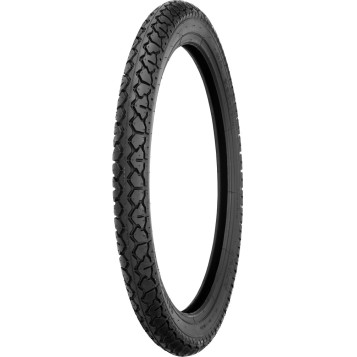
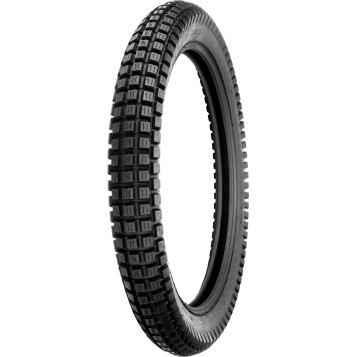
A pit bike or mini bike that still wears its stock knobby tread often feels unstable and squirmy once it spends most of its time on pavement instead of dirt. That off-road tread was built to dig into loose ground, so on a hard, flat surface it wanders under braking and wears unevenly across the blocks.
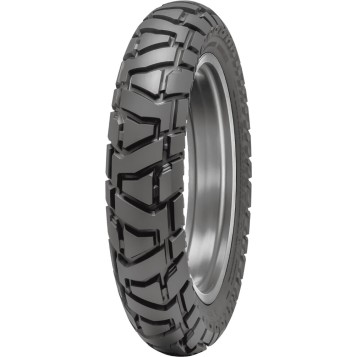
Smooth center tread paired with a shoulder tread design handles a bike that splits time between pavement and light trail use, keeping a flatter profile in the middle while still leaving some bite at the edges. A bike that stays on pavement full time does better with a full street-pattern tread built for that use from the start.
The trail-to-street tread switch is a deliberate conversion, not just a swap for a worn-out tire. Riders converting a Coleman mini bike or a pit bike for road use are choosing a different tool for a different job, and that swap is worth planning around how the bike will actually be ridden going forward.
A pit bike or mini bike that still spends most of its time on dirt trails is better served by knobby tread than by a street-pattern tire, since street tread gives up the dig that loose ground needs. For a bike staying mostly off pavement, a set of dirt bike tires suits that use better than anything built for the street.
Tire Wear, Mileage and Replacement Timing
A tread wear indicator built into the tread, along with the remaining tread depth, is the real signal that a street bike tire is done, not a fixed mileage number. Compound and riding style change how fast tread wears, so two identical tires on two different bikes can wear out at very different points.
Uneven wear usually traces back to running the wrong tire pressure (PSI) or to heavy cornering load concentrated on one shoulder of the tire, not just to age. A tire cupping in the center often points to pressure running too high, while wear concentrated on one edge usually points to pressure that is too low or a bike ridden hard into corners.
Rubber can harden and crack with time even on a tire that still shows plenty of tread, so age matters alongside mileage. While the wheel is off for a tire swap, it is worth checking other street bike parts that are already exposed and easy to inspect at the same time.
Gear and Hardware for a Tire Swap at Home
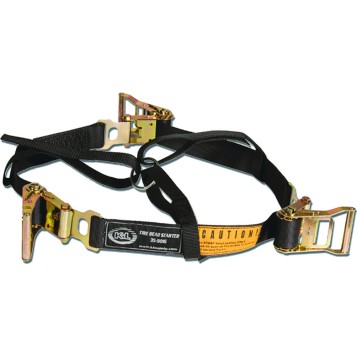
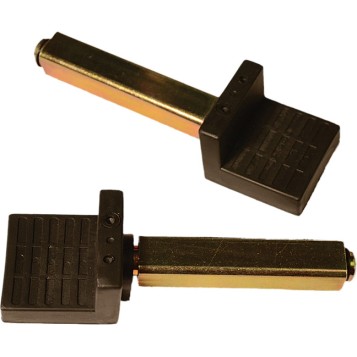
A stand that lifts the wheel off the ground safely is the first thing a home tire swap needs, before any tool touches the axle. Working on a bike propped on a kickstand or balanced on a box is how axles get dropped and fingers get pinched.
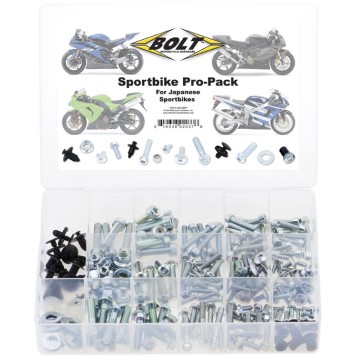
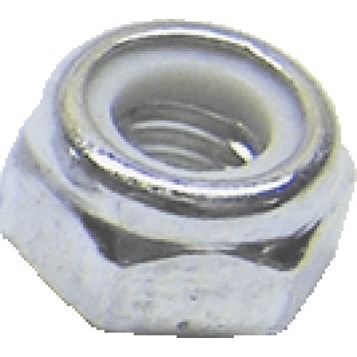
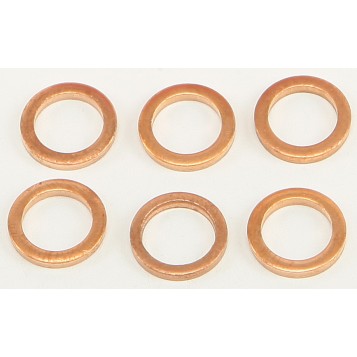
Small fasteners like washers and lock nuts often need replacing once the axle and wheel hardware come apart, since the old ones can round out or lose their lock. Valve stems and a reliable pressure gauge matter just as much once the new tire is mounted, since setting the right PSI is what makes the rest of the tire's spec actually work as built.
Checking wheel bearings and brake pads while the wheel is already off costs almost no extra time and catches problems before they turn into a second job later. A street bike stand built for the weight of the machine makes that whole process safer to do solo.
[products_1]
For the rest of what a street bike needs, start there.
Buying Street Bike Tires at Partiron
Street bike tires at Partiron come from K&L, WPS, MOTION PRO, and others, names the crew here already trusts on their own bikes. Order from us and we will get you talking to someone who rides before the order goes out, not after.
- Real rider support. Sizing and fit advice from people who actually ride.
- Trusted makers only. No no-name imports, just gear we would run ourselves.
- Free shipping over $99. Free delivery on US orders past that mark.
- Honest sizing. A sold out size shows before you buy, not after.
- Help before you order. We sort fit questions up front, not through a return.
Not sure which tire suits your riding? Ask us before you order. We ride the same roads you do, and we would rather spend five minutes on your question than have you figure it out on the highway.
Street Tire Buying Questions
Can you put a car tire on a motorcycle or cruiser?
A car tire is built flat across its profile for a four-wheeled footprint, while a motorcycle or cruiser tire carries a rounded profile that lets the bike lean into a turn. Even when the width looks close, a car tire does not flex or corner the way a motorcycle tire does, so it is not a direct swap.
What tire pressure should a street bike run?
The right pressure comes from the bike's own spec, usually listed on a sticker near the swingarm or in the owner's manual, checked cold with a gauge rather than guessed at the pump. There is no single PSI number that works across every street bike, since weight, tire size and riding load all change the target.
Is changing your own street bike tires a good idea?
Changing a street bike tire at home is doable with a stand and the right hand tools, and plenty of riders do it themselves. Getting the wheel balance right and giving the finished job a final inspection before riding on it matters as much as the swap itself.

 Open filter