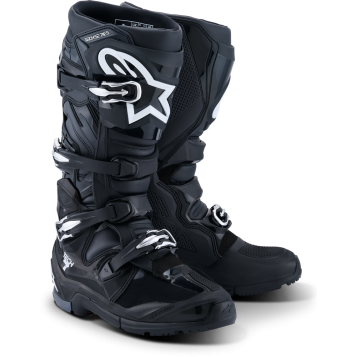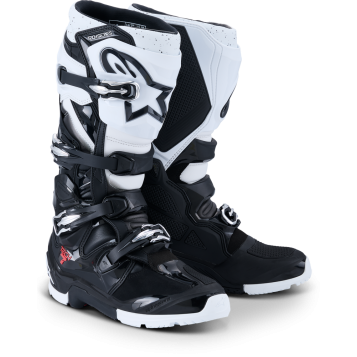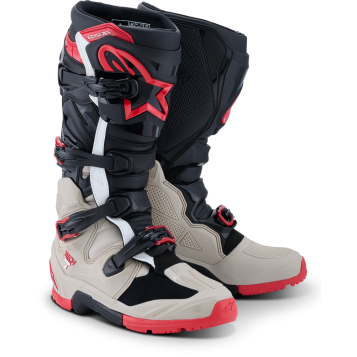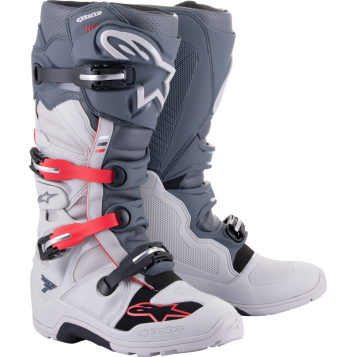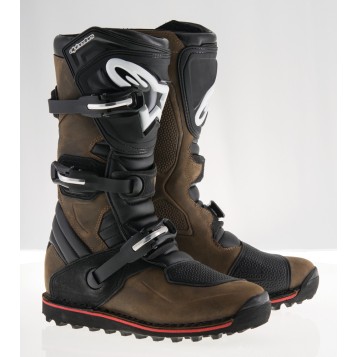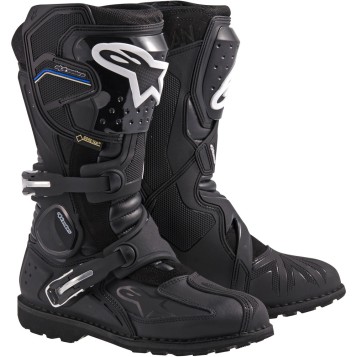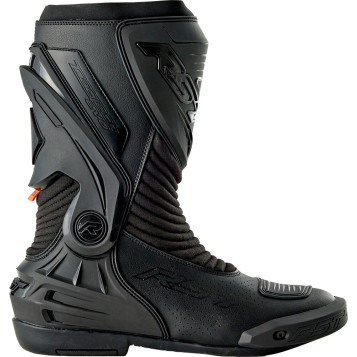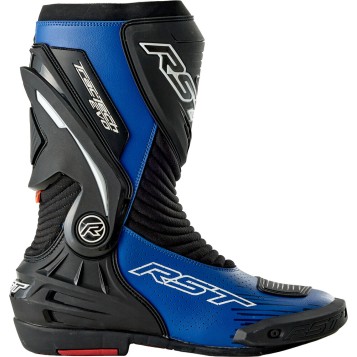
Featured Products
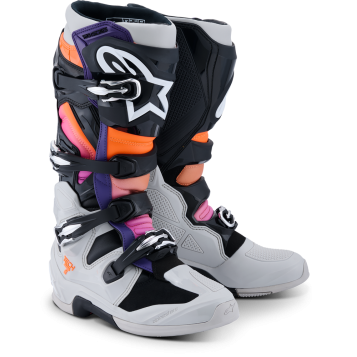
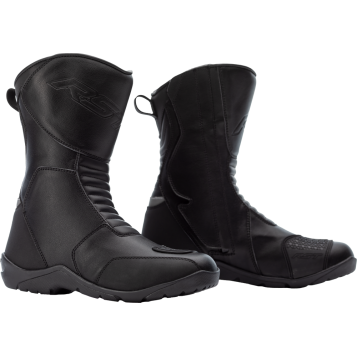
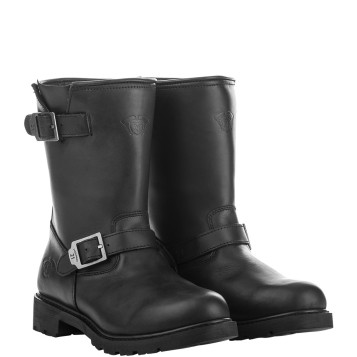
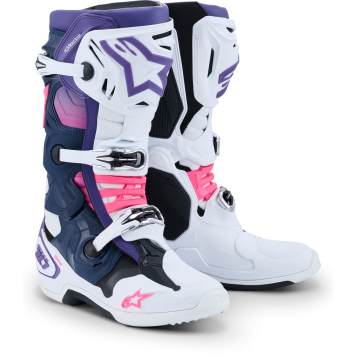
 Open filter
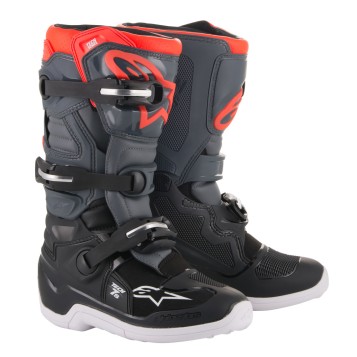
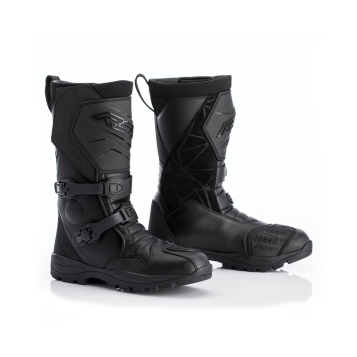
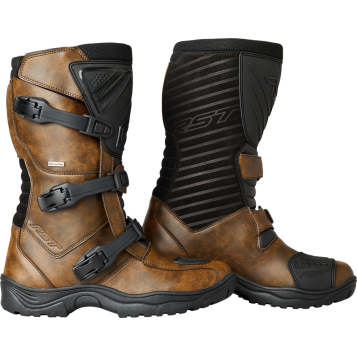
Motorcycle boots are riding footwear built around a reinforced ankle, a stiffened shank or shell, and an abrasion-resistant outer that a work boot or sneaker does not carry. Construction ranges from reinforced leather cruiser styling to fully armored ADV and racing shells. The right pick depends on how much armor and stiffness you want against how much flex and comfort you are willing to trade for it.
Featured Products
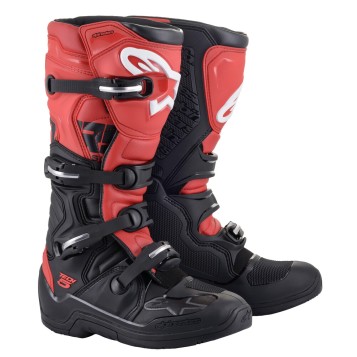
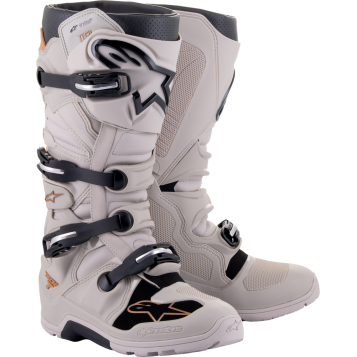
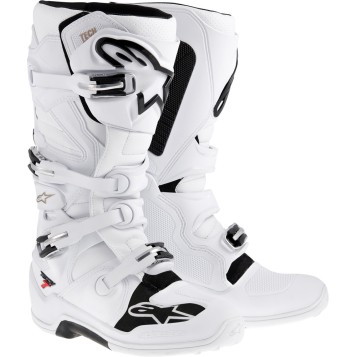
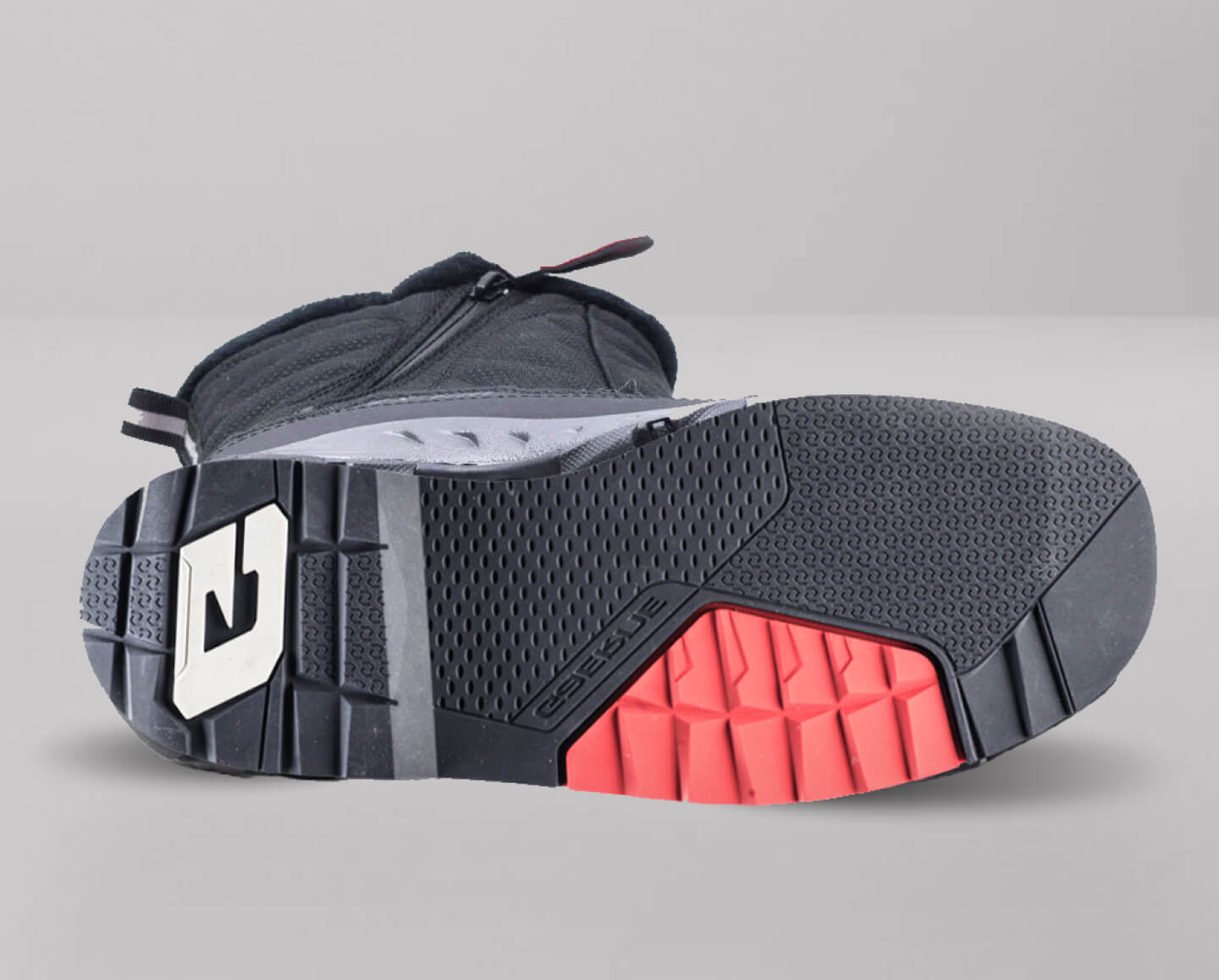
Open filterMotorcycle boots carry structural parts a work boot or running shoe skip entirely. A rigid heel counter locks the heel in place instead of letting it roll, a reinforced toe box keeps the front of the foot from folding under impact, and a steel shank runs through the arch to resist the twisting and crushing forces a flexible work sole cannot handle. TPU ankle cup protection sits directly over the ankle bone, an area a padded sneaker or a steel toe work boot never covers at all.
CE EN 13634 is the standard written specifically for motorcycle footwear, testing abrasion resistance, impact performance, and how well the boot holds together under crash-like stress. EN 1621-1 and EN 1621-2 cover impact armor separately, rated in levels that describe how much force the armor absorbs, not what any single boot in this lineup happens to carry. None of that makes an armored cruiser boot a copy of a work boot with a soft pad glued at the ankle; the difference sits under the leather, not just on top of it.
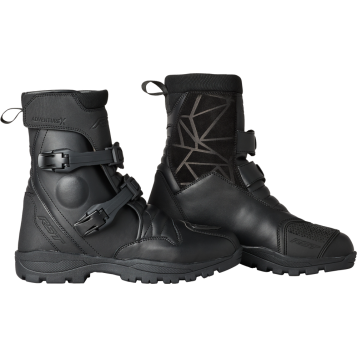
The "power ranger" complaint about tall ADV boots is fair for some riders: more coverage means more shell, more weight, and less flex underfoot. A short ride through light traffic on a cruiser does not need that tradeoff, and pairing a shorter boot with motorcycle jackets and vests built for the same ride gets a rider close to full ATGATT coverage without the bulk. No boot removes the risk of an ankle or foot injury; it changes how much force reaches the foot before that risk becomes real.
[products_1]
Fit on a motorcycle boot depends on the last and closure system of that specific model, not just the brand name on the box.
Shell and liner material decide how a boot handles heat, break-in time, and water resistance, and the same shank and shell logic shows up across protective riding gear built for the rest of the body. Leather and composite shells add grip and crash resistance at the cost of some flex, while textile and mesh panels breathe better but wear faster near a hot pipe.
| Material or feature | How it behaves | What it means for the rider |
|---|---|---|
| Full-grain or cowhide leather | Thick, abrasion-resistant, holds its shape against heat and scuffing | Takes longer to break in but shields the foot well on a cruiser or touring ride |
| Goatskin leather | Thinner and more supple than cowhide | Flexes sooner, at some cost to raw abrasion resistance |
| Microfiber synthetic leather | Lighter than natural leather, abrasion resistance comes from added panels | Little to no break-in, common on sport and track-focused boots |
| 600D textile, Cordura, mesh paneling | Breathes and dries faster than leather | Better in heat, weaker against abrasion and exhaust heat |
| Composite or polycarbonate shell | Rigid structural layer under the upper | Adds crush and impact resistance along with weight and stiffness |
| Removable washable liner | Pulls free from the boot for drying and cleaning | Matters most after a soaking or a hot, sweaty ride |
| Youth sizing | Built on a smaller last, not a scaled-down adult boot | Needed for younger or smaller-framed riders rather than an adult boot sized down |
| Size run differences | Available sizes and widths vary from one model to the next | Worth checking on that exact listing before ordering |
A hot exhaust pipe punishes thin material fast, and leather earns its keep here. Full-grain leather and a dedicated heat shield panel hold up against sustained contact with a hot pipe better than many thin synthetic panels, simply because the material is thicker and slower to scorch through. That is a property of the leather, not a guarantee against a burn.
A low-speed drop, the kind that happens around 5 to 10 mph in a parking lot or at a stop, loads the ankle and foot with the weight of the bike coming down fast. A TPU ankle cup, a shin plate, and a steel shank do not stop that weight from landing. They spread the force across a wider area and resist crushing under it, which changes how much force reaches the joint and bone underneath.
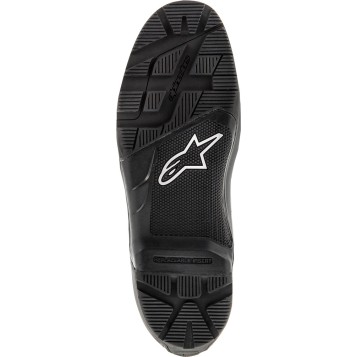
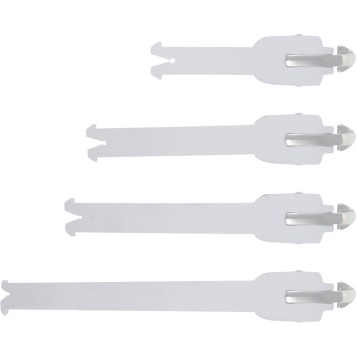
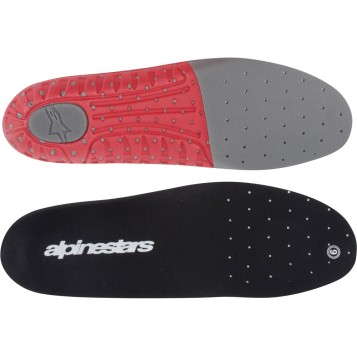
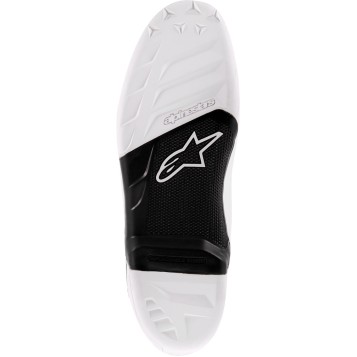
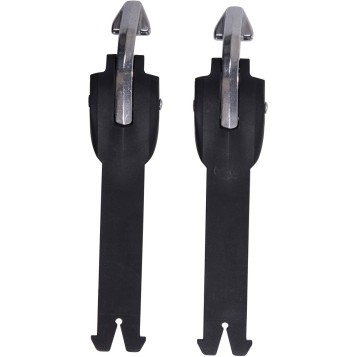
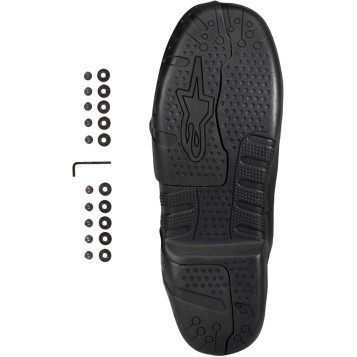
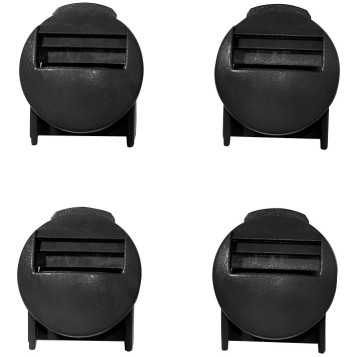
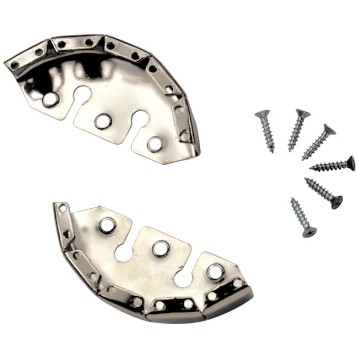
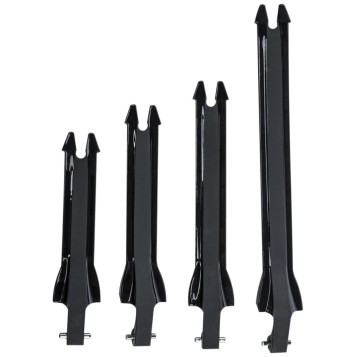
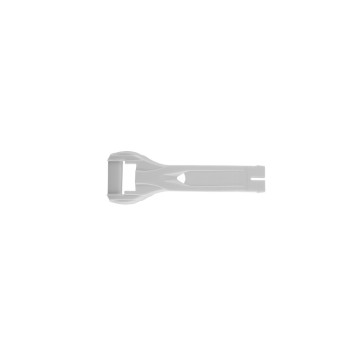
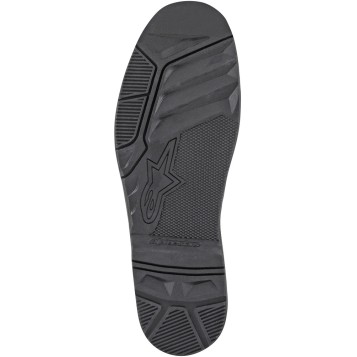
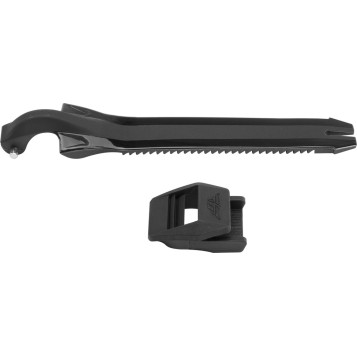
Buckles, locking straps, and ankle plates take that same stress every time they do their job, and hardware failing before a boot is even broken in is a known complaint, not a reason to skip armored boots altogether. It is a wear point worth watching the same way a rider checks the seams on motorcycle pants or a jacket. Replacement soles, footbeds, straps, and buckles exist separately from full boots for exactly this kind of failure, so a cracked buckle does not have to mean a whole new pair.
[products_2]
A waterproof membrane works as a barrier layer stitched inside the boot that blocks liquid water while still letting some vapor escape, which is why a boot can keep rain out without turning into a sauna on a warm commute. Where a listing names the membrane, it is usually in the product details.
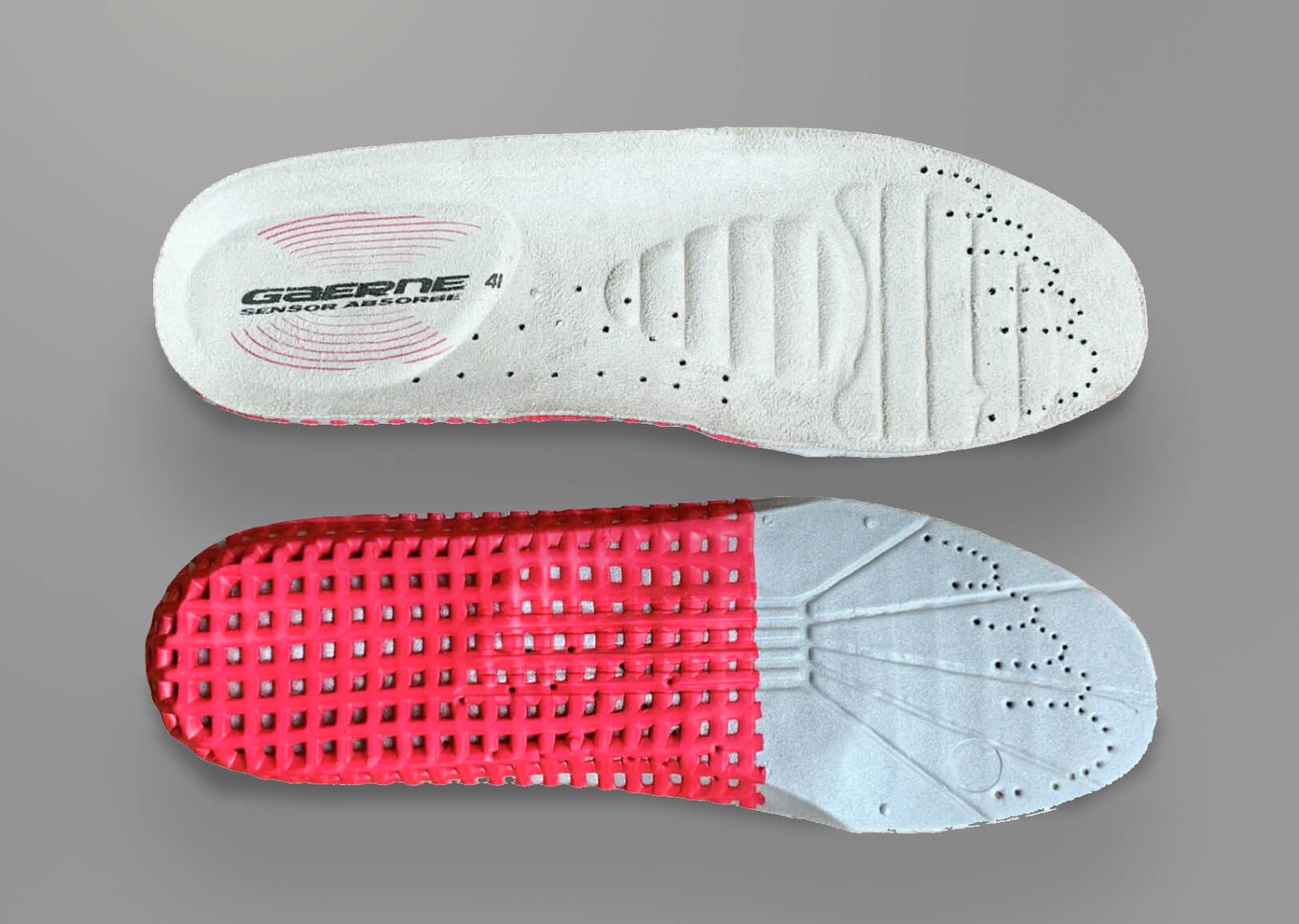
Boot funk, the odor that shows up after a boot gets soaked in floodwater or heavy rain, comes from trapped moisture sitting inside a closed-up boot, not from the leather or membrane itself. Pulling any removable liner or insole and letting both dry and air out separately is the main defense against that smell.
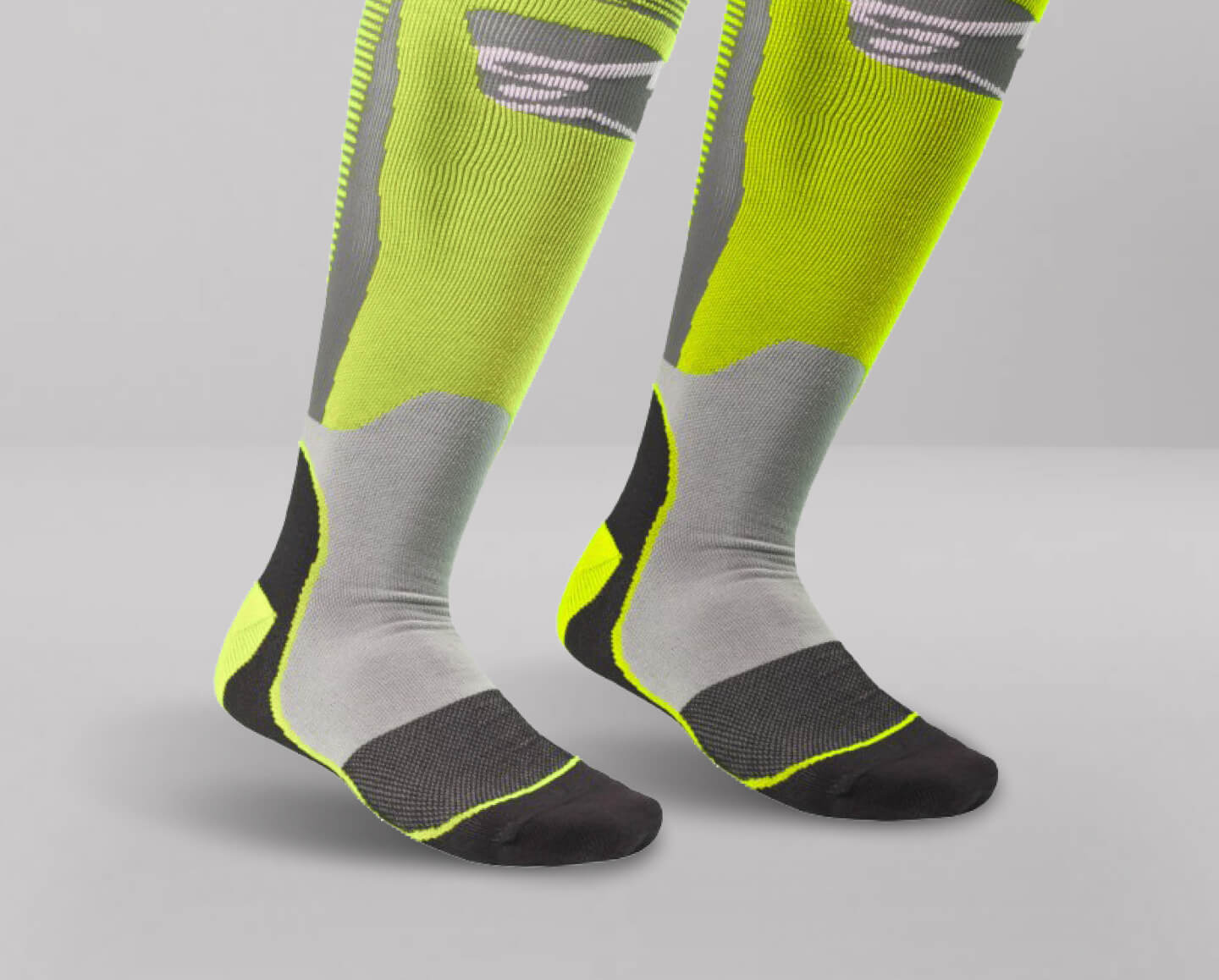
Cold and wet are two different problems with two different fixes. A membrane keeps a foot dry, but staying warm on a cold morning start usually calls for an insulation layer built into the boot or a set of heated insoles added on top. Pairing a warm boot with proper riding gear socks covers the rest of that gap.
Walking comfort off the bike comes down to how the boot flexes once a rider is standing around on a delivery stop or a commute break. An articulated ankle joint and a cushioned EVA insole let a boot bend more like a shoe, while a stiffer, taller boot holds its shape for riding and gives up some of that everyday comfort.
[products_3]
Avoid closing a still-damp boot back up overnight, since that just locks the trapped moisture back inside.
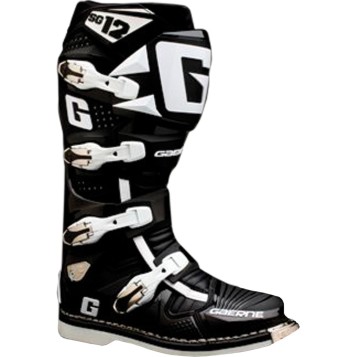
You can get your next pair of motorcycle boots from Alpinestars, Gaerne, Fly Racing, and others, the makers our own crew actually straps on before a ride. We help you sort sizing and fit before you buy, so you are not guessing and hoping it works out.
Not sure which boot fits your riding? Ask us before you order. We would rather talk it through now than have you figure it out on the road.
Boots cover one part of the body, and the ATGATT approach (all the gear, all the time) treats hands as just as exposed as feet in a drop or a slide. Picking up a set of motorcycle gloves built for the same kind of riding rounds out that coverage.
Useful for Motorcycle Boots
You May Also Need
Explore Similar Categories